

Security in Remote Mining Operations:
What Nobody Prepares You For
Nobody briefs you on this part.
You can read every book on international infrastructure development, attend every conference on emerging market operations, and hire the best consultants in the business. None of it will fully prepare you for the security realities of operating in remote, high-risk environments. That knowledge comes from the field — and sometimes it comes fast.
We operate in Nigeria. We’ve moved equipment across rivers by boat under armed government escort because the alternative was losing that equipment to sea pirates. We guard our sites with armed military personnel around the clock. We’ve made decisions about what can and cannot be documented during transit because the wrong photograph at the wrong moment can turn a routine operation into a crisis.
This is not hypothetical. This is Tuesday.
The River
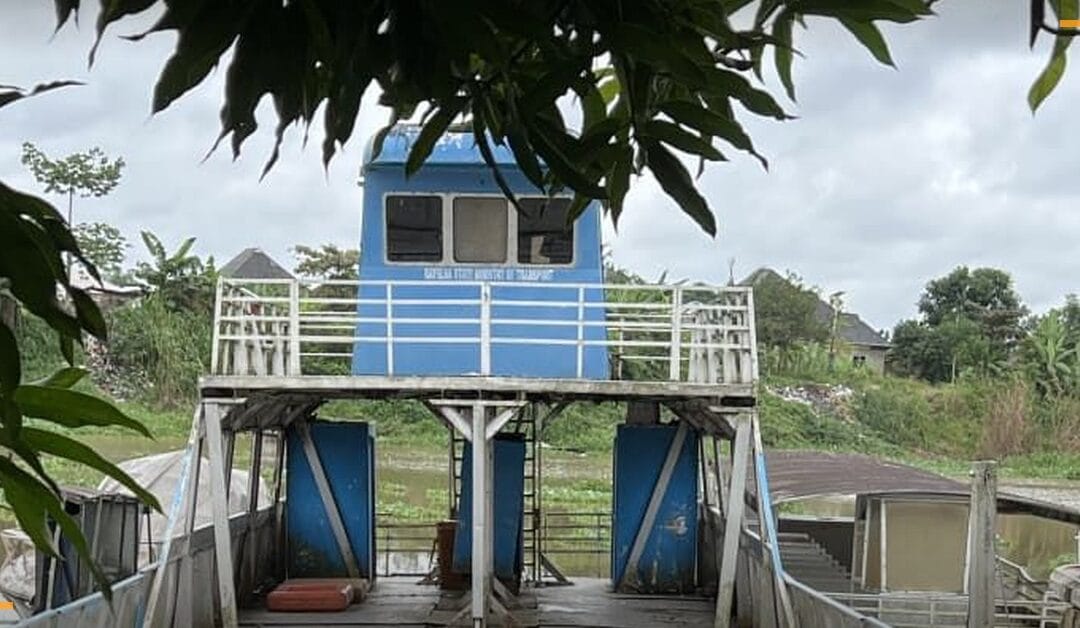
One of our equipment transports in Nigeria required crossing a river by boat. The route and the cargo made it a target. Sea pirates operate on these waterways — this is not an exaggeration or a colourful metaphor. They identify valuable cargo, intercept vessels, and retrieve what they want by force.
We engaged the Ministry of Transport to provide a security escort for the crossing. This is not an optional precaution in that environment. It is the cost of moving valuable equipment safely from one point to another.
We also made the decision not to document the crossing. No photographs. No video. No social media. The visibility that documents a successful operation can also advertise a future one. In an environment where bad actors are watching, the discipline to not share is as important as any physical security measure.
The lesson is straightforward: in high-risk operating environments, your logistics plan and your security plan are the same plan. They cannot be developed separately.
On-Site Security
Our Nigerian site operates with armed military security personnel on site twenty-four hours a day, seven days a week. This is not a decision we made lightly, and it is not an expense we look for ways to reduce.
The physical perimeter is designed with the same seriousness. Fencing, barbed wire, surveillance cameras — the site is built to deter and detect, not just to delineate. Every element of the physical security infrastructure is chosen for the environment, not for appearances.
Operators who treat security as a line item to be minimized in emerging markets tend to learn the cost of that decision in a very direct way. We treat it as a non-negotiable operational requirement.
The Part Nobody Talks About: Relationships
Physical security infrastructure — guards, fencing, cameras — is necessary. It is not sufficient.
The most durable security in a remote or high-risk environment comes from relationships. When the community around your site views your operation as something worth protecting rather than something worth taking from, your security posture changes fundamentally. You are no longer defending against the environment. You are operating within it.
This means being a good neighbour. It means employing locally where you can. It means being visible, consistent, and fair in your dealings with the people who live and work near your operation. It means showing up — not just when you need something, but consistently, over time.
We have found, repeatedly, that the investments we make in community relationships return more security value per dollar than almost any physical measure we could deploy. That doesn’t make the physical measures optional. It makes the combination of both the actual standard of professional remote operations.
What This Means If You’re Planning a Remote Deployment
Security in remote and emerging market environments is not a problem you solve once at the start of a project and then stop thinking about. It is an ongoing operational discipline that requires budget, attention, local expertise, and genuine relationships.
The operators who get this right don’t treat security as a reaction to incidents. They treat it as a condition of operations — something that is planned for, invested in, and continuously managed.
If you’re planning a deployment in an environment where these realities apply, build the security plan before you build anything else. And find partners who have operated in those environments before, made the mistakes, and know what it actually takes.